
Learn some tips to make reading food labels less complicated
Learn some tips to make reading food labels less complicated!
Posted May 22, 2015 by PTI Admin
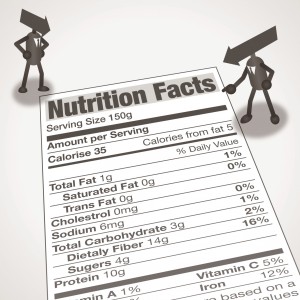
The first place to start on the food label is the serving size. Every nutrient mentioned on the label (calories, carbs, fat, etc) is telling you how much is in that one serving size. So, if you eat more than one serving size you are actually consuming more than the label says. Below the serving size is the amount of nutrients in that food. Limit foods high in saturated fat, trans fat, sodium, cholesterol, and sugar. Consume foods high in Fiber, Vitamin A, Vitamin C, Iron, and Calcium. The percent daily value located along the far right column of the food label puts these amounts into perspective. It tells you what percent of that nutrient is in one serving compared to how much you are supposed to eat in the whole day (out of 100%) based on a 2,000 calorie diet. Even if you eat more or less than 2,000 calories, you can use it as a frame of reference to determine if foods are high in a specific nutrient. 5% is considered a low amount, and 20% is considered a high amount. Finally, the ingredients list should be listed on the label. The ingredients are listed based on the highest to lowest amount of ingredients. The shorter the ingredient list, the less processed the food is!
filed under: Health FAQ,Nutrition